Cold Storage Maintenance: How to Prevent Product Loss and Downtime
Cold storage maintenance protects temperature control, product quality, energy cost, and compliance through PMs, inspections, alarms, asset history, and corrective action.
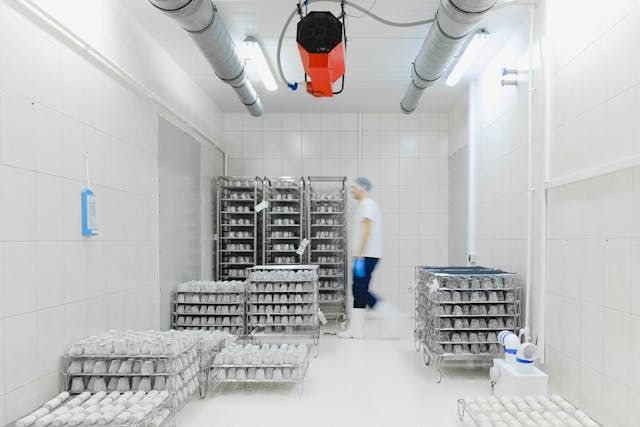
Cold storage maintenance is not only about equipment uptime. It protects product quality, food safety, pharmaceutical integrity, customer commitments, and energy cost.
A small refrigeration issue can become a serious loss if temperature rises, alarms are ignored, evaporators ice up, doors leak, compressors fail, or defrost routines are weak.
For cold storage teams, maintenance must be visible, timely, and evidence-based.
What makes cold storage maintenance different?
Cold storage assets operate continuously and directly affect stored product.
Important systems may include:
- Compressors
- Condensers
- Evaporators
- Refrigerant lines
- Expansion valves
- Cold room doors
- Door heaters
- Temperature sensors
- Defrost systems
- Panels and insulation
- Fans
- Electrical controls
- Backup power
- Data loggers
- Alarm systems
Failure in any of these areas can affect temperature stability.
Common cold storage maintenance problems
Cold storage teams often face:
- Compressor breakdowns
- Ice buildup on evaporators
- Door seal damage
- Poor defrost performance
- Temperature sensor drift
- Refrigerant leakage
- Fan failures
- Blocked airflow
- High energy consumption
- Alarm fatigue
- Delayed response to abnormalities
- Missing inspection records
Many of these issues show early warning signs before complete failure.
Preventive maintenance is essential
A preventive maintenance software workflow helps cold storage teams schedule and track recurring tasks.
Typical PM checks may include:
- Compressor inspection
- Oil level check
- Refrigerant leak inspection
- Condenser cleaning
- Evaporator inspection
- Fan operation check
- Door seal inspection
- Drain line check
- Defrost cycle verification
- Temperature sensor check
- Electrical panel inspection
- Alarm test
- Backup power readiness
These tasks should be assigned, completed, and recorded with evidence.
Temperature alarms need action tracking
Temperature alarms are only useful if someone responds properly.
A cold room may alarm because of door opening, loading activity, defrost, sensor issue, refrigeration fault, power issue, or actual temperature excursion.
A practical work order management software process helps teams document:
- Alarm time
- Room or asset
- Temperature condition
- Response action
- Root cause
- Corrective work
- Product impact if any
- Completion evidence
This creates accountability and audit-ready history.
Calibration matters in cold storage
Temperature sensors, data loggers, pressure instruments, and other measuring devices may require calibration based on plant policy, customer requirements, or regulatory expectations.
A calibration management software process helps track:
- Instrument list
- Due dates
- Certificates
- Out-of-tolerance findings
- Corrective actions
- Audit records
This is especially important for pharma, food, cold chain, and quality-sensitive storage.
Energy consumption can reveal maintenance issues
Cold storage energy use often increases when maintenance problems exist.
Examples:
- Dirty condenser coils
- Poor door sealing
- Excessive door opening
- Ice buildup
- Refrigerant issues
- Failing fans
- Incorrect defrost settings
- Poor insulation
An energy monitoring software process becomes useful when abnormal consumption leads to inspection and corrective action.
Asset history helps prevent repeat problems
Cold storage maintenance teams should track history by asset and room.
Useful history includes:
- PM records
- Breakdown records
- Alarm-related work
- Sensor calibration
- Parts replaced
- Technician remarks
- Photos
- Temperature-related incidents
- Follow-up actions
A clear asset management software setup helps teams identify repeated door issues, compressor failures, evaporator icing, or sensor problems.
What reports matter most?
Cold storage leaders should review:
- Overdue PMs
- Temperature-related work orders
- Repeat failures by room or asset
- Alarm response history
- Calibration due list
- Energy abnormalities
- Compressor downtime
- Door seal issues
- Pending follow-up actions
These reports help teams protect product and reduce avoidable risk.
Bottom line
Cold storage maintenance requires discipline because failure affects more than equipment.
MaintBoard helps cold storage teams connect PMs, work orders, calibration, inspections, energy observations, asset history, spare parts, and reports so temperature-critical maintenance stays visible and controlled.
Frequently asked questions
- How often should cold storage units be inspected?
Daily for basics, weekly and monthly for deeper checks, and yearly by professionals.
- What temperature should a cold storage facility maintain?
It depends on what’s stored. Frozen foods: ~-18°C. Pharma: 2°C–8°C.
- What are the signs of a failing system?
Ice buildup, inconsistent readings, and strange noises are early warnings.
- Is one checklist enough for all facilities?
Nope. Customize based on product type, regulation, and facility size.
- How can I cut energy costs?
Seal doors, monitor usage, and consider upgrading your systems.