Bowling Alley Maintenance Guide: Assets, Checks, and Work Orders That Matter
Bowling alley maintenance requires disciplined checks for lanes, pinsetters, ball returns, scoring, HVAC, safety areas, and facility assets so downtime does not damage guest experience.
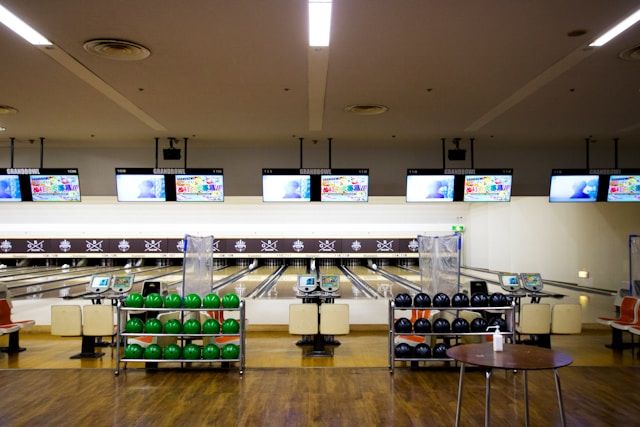
A bowling alley is not only a leisure space. It is a facility with mechanical systems, customer-facing assets, safety risks, utilities, electronics, and time-sensitive operations.
When a lane fails during a league match, birthday party, weekend rush, or corporate event, the problem becomes visible immediately. Guests wait, staff apologize, bookings get disrupted, and the same machine may keep failing if the root issue is not recorded.
This guide explains how bowling alley maintenance should be organized so problems are found early, assigned clearly, and tracked properly.
Start with the asset structure
The first step is to list what must be maintained.
A bowling alley asset register should include:
- Lanes
- Pinsetters or pinspotters
- Ball returns
- Scoring displays and consoles
- Lane conditioning equipment
- Approach areas
- Seating and tables
- Lighting systems
- HVAC units
- Electrical panels
- Restrooms
- Kitchen or café equipment
- Fire and emergency systems
- Compressors or utility systems where used
Each asset should have a clear location and code. For example, Lane 01 pinsetter should not be recorded simply as “machine.” Specific asset identity helps the team see repeat failures.
A structured asset management software setup helps connect work orders, downtime, photos, vendor service, and parts usage to the right asset.
Daily opening checks
Daily checks should protect guest experience and safety before operations start.
Useful opening checks include:
- Inspect lanes and approach areas for damage or moisture.
- Check ball returns for smooth operation.
- Test scoring screens and consoles.
- Check pinsetter operation on each lane.
- Confirm lighting in customer areas.
- Inspect restrooms and common areas.
- Check HVAC comfort.
- Verify emergency exits are clear.
- Record any lane that is not ready for use.
These checks should be quick, but they should not live only in memory. A missed daily check can become a customer complaint later.
Weekly maintenance checks
Weekly maintenance can focus on deeper inspection and cleaning.
Examples include:
- Clean and inspect pinsetter areas.
- Check belts, chains, rollers, and moving parts.
- Inspect wiring, sensors, and connectors.
- Clean ball return tracks.
- Review lane machine condition.
- Check approach surface condition.
- Inspect seating and fixtures.
- Review repeated stoppages from the week.
Weekly work should create corrective actions where needed. If a technician observes abnormal noise or recurring jams, that should not remain as a note in a notebook.
Monthly and planned maintenance
Monthly or periodic maintenance should include more structured work that may require downtime or vendor support.
Useful planned tasks include:
- Detailed pinsetter inspection
- Lane machine service
- Scoring system checks
- HVAC filter checks
- Electrical panel visual inspection
- Fire safety asset checks
- Spare part review
- Vendor service review
- Condition review for high-failure lanes
A preventive maintenance software workflow helps schedule these tasks and avoid depending on one experienced person’s memory.
Track lane downtime clearly
For bowling alleys, lane downtime is revenue and customer experience loss. The team should know which lanes fail most often and why.
Track:
- Lane number
- Asset involved
- Failure symptom
- Start and end time
- Customer impact
- Technician remarks
- Parts used
- Whether the issue repeated
- Whether vendor support was required
This allows managers to see patterns. If Lane 7 has ball return issues every week, the problem needs root cause attention, not repeated quick fixes.
Use work orders for visible ownership
A work request from staff should become a work order when action is required. The work order should show who owns the job, what the issue is, when it is due, and whether it is completed.
Common work orders include:
- Pinsetter jam investigation
- Ball return repair
- Lane surface issue
- Scoring display fault
- HVAC complaint
- Lighting failure
- Restroom plumbing issue
- Safety hazard correction
Using work order management software prevents requests from being forgotten during busy operating hours.
Keep spare parts ready
Many bowling maintenance delays happen because small parts are not available when needed.
Track critical spares such as:
- Belts
- Rollers
- Switches
- Sensors
- Lamps
- Fasteners
- Cleaning consumables
- Electronic components
- Filters
A simple spare parts inventory management software process helps the team know what was used, what is low, and what needs reorder.
Build a practical maintenance rhythm
The best bowling alley maintenance program is not complicated. It is consistent.
A practical rhythm can be:
- Daily: opening checks and safety walk-through
- Weekly: mechanical cleaning and repeated issue review
- Monthly: PM and vendor/service checks
- Quarterly: deeper equipment and facility review
- Annually: major inspection, renewal, and improvement planning
Bottom line
Bowling alley maintenance protects uptime, safety, guest satisfaction, and repair cost. The goal is not only to fix lanes quickly. The goal is to identify repeat failures, plan preventive work, keep spares ready, and maintain clear asset history.
A CMMS helps bowling centers and public venues move from informal maintenance to visible execution: checks, work orders, downtime records, parts, photos, and reports in one place.
Frequently asked questions
- Is this guide helpful for small centers too?
Yes. With fewer lanes, every breakdown matters more. Small centers benefit greatly from structured PM.
- What if I don’t have a full-time tech?
No problem. Assign tasks to managers or trusted staff. Track their work using MaintBoard.
- How often should I review my checklist?
Quarterly at a minimum. Update it when you add new machines, change staff, or see new problem trends.
- Can I roll this out in phases?
Absolutely. Start with pinsetters or HVAC. Add arcade, kitchen, and lanes next.