Bowling Center Preventive Maintenance: A Practical Guide for Reliable Operations
Bowling center preventive maintenance protects lane uptime, guest experience, safety, and repair cost by keeping pinsetters, lanes, scoring systems, HVAC, and facilities under control.
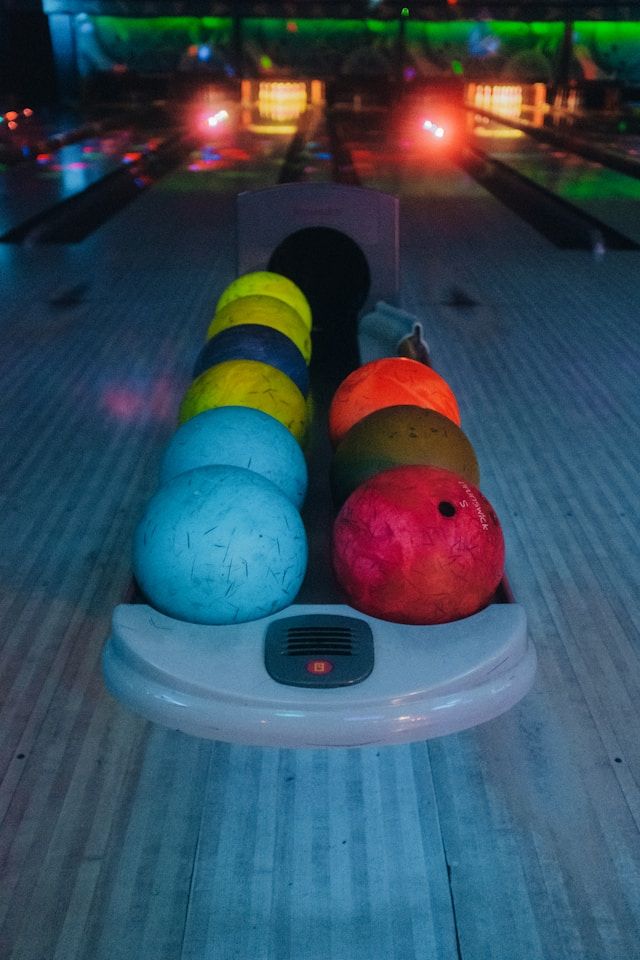
A bowling center may look like an entertainment business from the outside, but behind the lanes it operates like a small facility with many maintainable assets. Pinsetters, ball returns, lane machines, scoring systems, HVAC, lighting, compressors, restrooms, kitchen equipment, and safety systems all affect the guest experience.
When preventive maintenance is weak, the problems are visible immediately. Lanes go down during peak hours. Guests wait. Staff improvise. Repairs become urgent. Spare parts are ordered late. The same lane or machine keeps failing again.
This guide is for bowling center owners, facility managers, maintenance supervisors, and technicians who want a simple but disciplined preventive maintenance approach.
Why preventive maintenance matters in a bowling center
Bowling centers depend on uptime during limited operating windows. Weekend evenings, leagues, parties, and corporate events leave very little room for avoidable equipment failure.
Poor maintenance usually shows up as:
- Pinsetter jams
- Ball return delays
- Scoring faults
- Lane condition complaints
- Poor HVAC comfort
- Lighting failures
- Repeated emergency calls
- Unsafe walkways or damaged flooring
- Higher spare part and contractor cost
A good PM program helps the team catch small issues before they interrupt customer experience.
Start with a maintainable asset list
Do not start with a long checklist. Start with the asset list.
A bowling center asset register should include:
- Pinsetters or pinspotters
- Ball returns
- Lane conditioning machines
- Scoring monitors and control systems
- Approach areas and lane surfaces
- Compressors and air systems where used
- HVAC units
- Electrical panels
- Emergency lighting and fire safety assets
- Restroom and plumbing assets
- Kitchen or café equipment if applicable
Each asset should have a code, location, responsible team, maintenance frequency, and service history. This creates the base for asset management software rather than relying on memory.
Daily checks
Daily checks should be fast and focused on obvious operating issues.
Useful daily checks include:
- Inspect lanes and approaches for damage, spills, or trip risks.
- Check that scoring screens and consoles are working.
- Confirm ball returns are clean and operating smoothly.
- Listen for unusual pinsetter noise.
- Check for repeated jams or lane stoppages from the previous shift.
- Verify customer-facing lighting, seating, and walkways.
- Record any lane taken out of service.
The goal is not to repair everything during opening checks. The goal is to capture defects before they become customer complaints.
Weekly preventive maintenance
Weekly PM should focus on cleaning, adjustment, and repeated minor issues.
Typical weekly work includes:
- Clean pinsetter areas safely.
- Inspect belts, switches, rollers, and moving components.
- Check ball lift and return operation.
- Review jam history by lane.
- Inspect lane machine condition.
- Check scoring cable connections and visible damage.
- Check HVAC filters or airflow complaints.
- Inspect restrooms and high-use facility areas.
A weekly PM should create follow-up work when defects are found. If the same lane needs adjustment every week, it is a reliability signal, not just a maintenance note.
Monthly and planned maintenance
Monthly maintenance should go deeper into mechanical condition, electrical condition, safety, and service history.
Useful monthly checks include:
- Review each lane's downtime history.
- Inspect high-wear parts and planned replacement needs.
- Check electrical panels for heating, dust, or loose wiring signs.
- Service compressors and air systems where applicable.
- Review contractor service reports.
- Verify emergency lighting and safety systems.
- Inspect roof leaks, drainage, and HVAC performance.
- Check spare parts stock for critical lane equipment.
This is where a preventive maintenance software system helps by scheduling recurring work, assigning tasks, and showing overdue maintenance.
Track downtime by lane or asset
A common mistake is recording only that “equipment failed.” For a bowling center, the team should know exactly which lane, machine, or asset caused downtime.
Track:
- Lane number
- Asset involved
- Start and end time of downtime
- Problem observed
- Immediate fix
- Parts used
- Whether the same issue happened before
This helps managers see whether downtime is random or concentrated around specific lanes.
Keep critical spares visible
Bowling centers lose time when a small part is unavailable. Critical spares may include belts, switches, rollers, sensors, fuses, lamps, common mechanical parts, and parts recommended by the OEM.
A basic spare parts process should answer:
- What parts are critical?
- What minimum stock should be kept?
- Which asset uses the part?
- When was the part consumed?
- Which lane or machine is consuming too many parts?
This is where spare parts inventory management software can prevent emergency buying and repeated downtime.
Build a simple maintenance rhythm
A practical bowling center PM rhythm can look like this:
| Frequency | Focus |
|---|---|
| Daily | Visual checks, lane readiness, guest-facing issues |
| Weekly | Pinsetter cleaning, ball return checks, minor adjustments |
| Monthly | Mechanical condition, electrical review, downtime review |
| Quarterly | Deeper servicing, contractor review, spare planning |
| Annual | Major inspection, refurbishment planning, budget review |
Bottom line
Bowling center maintenance is not just repair work. It protects revenue, safety, and customer experience.
A simple CMMS workflow can help venue teams move from reactive lane fixes to planned maintenance by connecting assets, PM schedules, work orders, spare parts, photos, downtime, and maintenance history in one place.
Frequently asked questions
- Do I need a technician for every task?
Not at all. Many PM tasks (like wiping filters or clearing belts) can be handled by trained staff. Save service calls for diagnostics or repairs.
- What if my team forgets tasks?
MaintBoard sends automatic reminders, so nothing gets skipped.
- How do I know what to check?
Use OEM manuals, or tap into preloaded PM templates inside MaintBoard — built for bowling centers.
- How often should I review and update my PM schedule?
Review your preventive maintenance schedule at least quarterly. Update it when new equipment is added, staff responsibilities change, or recurring failures are detected.
- Can preventive maintenance help with safety audits and inspections?
Yes. A documented PM program shows that your facility actively maintains safety equipment and operational systems — a huge advantage during insurance audits, safety checks, or health inspections.