CMMS Software for Textile Manufacturing

A ring spinning frame trips again, and the shift is short of yarn for the next order. MaintBoard helps textile maintenance teams find the last repair, confirm the right spare, and plan service around spinning, weaving, and finishing schedules.
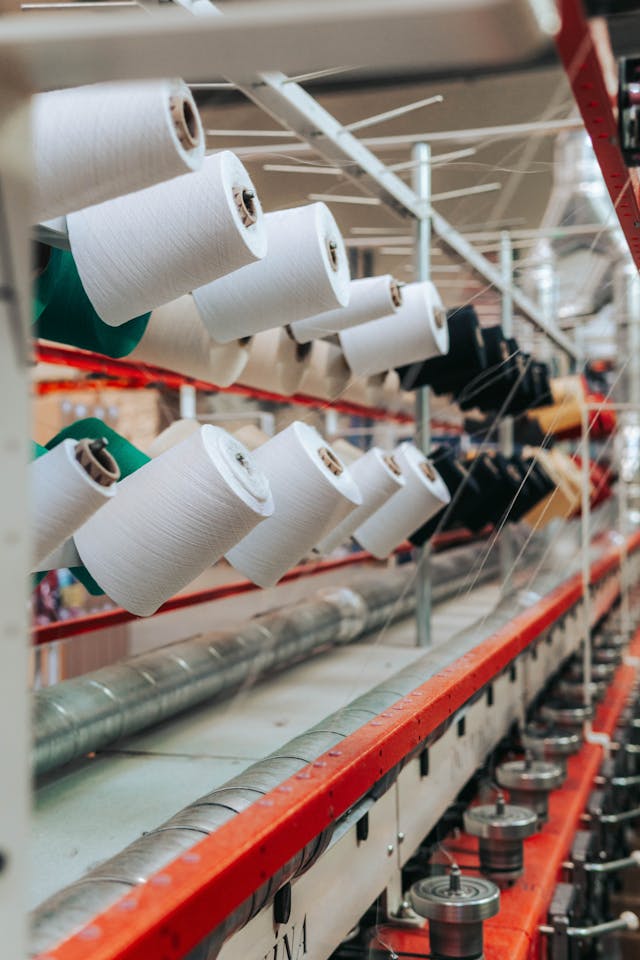
  • Compare repeat drive trips by frame and review what the last shift repaired.
  • Fit frame lubrication and loom checks around the production schedule.
  • Check the specified belt, bearing, or drive spare before the job starts.
Textile manufacturing maintenance workflow in MaintBoard

Where repeat faults disrupt textile production

The same drive fault returns on another shift

The frame restarted on the last shift, but the drive trips again. The technician needs the alarm and earlier findings, while production needs to know how long the frame has been out of service.

A service window closes before the checks are done

A frame or loom is needed for the next order. The supervisor has to agree which lubrication and drive checks can fit now and give deferred jobs a new due date.

A belt or bearing delays restart

Stores needs the specified part number, quantity, and location before the team counts on a replacement to restart the frame.
Example workflow

A repeat drive trip leaves a ring frame short of its shift target

1

Log the fault against the spinning frame and assign the repair

The operator records the frame ID, drive alarm, and stop time. The supervisor assigns the work order and notes the yarn order affected.
2

Review earlier drive repairs and check the spare

The technician reviews the previous drive trip and finds a worn drive belt in this example. Stores checks the specified replacement and where it is stocked.
3

Record downtime and assign the next corrective or PM check

The technician records the repair and parts used. The supervisor logs when the frame returned to production and gives any remaining inspection its own owner and due date.
Benefits

Plan textile equipment maintenance around production

Work orders and repair history

Assign breakdown work and review earlier repairs for spinning frames, looms, and finishing equipment.

Preventive maintenance

Schedule frame lubrication, loom checks, and finishing equipment service. Review overdue work with production and agree on a window for jobs that need the machine offline.

Spare parts

Check available quantities by storeroom and record the parts used on each repair.

Track equipment from spinning to finishing

Spinning

Keep drive faults, lubrication checks, and parts replaced with each spinning frame.

Weaving

Compare recurring loom drive or take-up faults and keep corrective work with the loom serviced.

Processing and finishing

Track drive and roller work on finishing equipment and schedule related utility checks by asset.

What to review with production and maintenance

Repeat spinning-frame faults

Compare repeat trips and recorded downtime by frame. Review the work order notes to see which yarn orders were affected.

Downtime

Scheduled jobs completed on time

Check which preventive jobs were completed by their due dates across spinning frames, looms, and finishing equipment.

PM %

Spares below minimum stock

Review flagged parts against open jobs and upcoming planned maintenance before deciding what to replenish.

Low stock

Textile manufacturing CMMS FAQs

Can we manage PM across spinning and weaving areas?
Yes. Set up each area and machine separately, then schedule the maintenance tasks and track completion by asset.
What should textile mills look for in maintenance management software?
Ask to see a repeat frame fault go from operator report to repair and follow-up. Check whether technicians can find earlier findings by machine, stores can verify the specified spare, and supervisors can see which preventive jobs are overdue.
Can we track downtime for individual spinning frames and looms?
Yes. Record the stop against the affected asset and note the alarm, shift, and production order where relevant. Compare downtime and repair history when the fault returns.
Can we plan preventive maintenance between production runs?
Yes. Review due and overdue jobs with production, assign work to agreed windows, and keep deferred checks visible for the next stop.
Can stores check the right spare before a repair?
Yes. Check the specified part number, available quantity, and storeroom location. Record the part and quantity used on the work order.

Bring a maintenance job from your plant

Bring a spinning frame that keeps tripping, a loom that needs a maintenance window, or a repair waiting for a spare. We’ll walk through how your team would handle the job in MaintBoard.