Planned Maintenance: How Plants Move from Firefighting to Reliable Execution
Planned maintenance works when jobs are prioritized, scheduled, prepared, assigned, executed, and reviewed with spares, instructions, access, and production coordination ready.
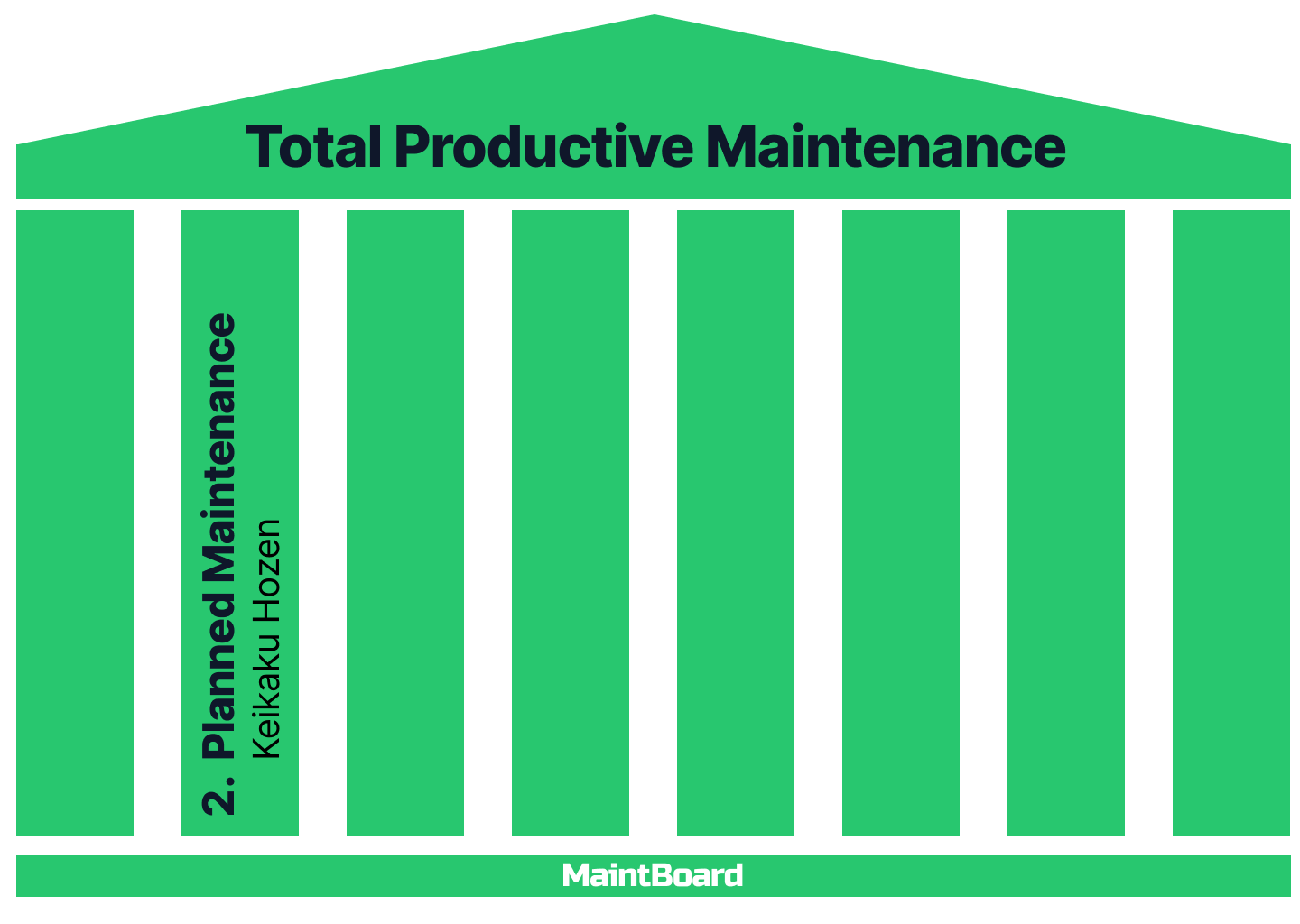
Planned maintenance is not simply maintenance that appears on a calendar.
A job is truly planned only when the team knows what must be done, who will do it, when it will happen, what parts are required, what tools are needed, and how production will release the equipment.
Many plants have schedules but still operate reactively because the work is not actually ready.
What planned maintenance means
Planned maintenance is maintenance work prepared before execution.
It may include:
- Preventive maintenance
- Corrective maintenance
- Shutdown work
- Inspection follow-up
- Lubrication work
- Calibration support
- Condition-based repairs
- Facility maintenance
The key difference is preparation.
Why planned maintenance fails
Planned work often fails because:
- The job scope is unclear
- Spare parts are not available
- Production does not release the asset
- The technician is not assigned
- The estimated duration is unrealistic
- Safety permits are not ready
- Previous findings were not reviewed
- Emergency breakdowns consume the team
- The schedule is overloaded
When these issues happen, planned work becomes postponed work.
Planning is different from scheduling
Planning answers:
What exactly needs to be done, and what is required to do it?
Scheduling answers:
When will it be done, and who will do it?
A maintenance calendar without planning is weak. It shows dates, but it does not guarantee readiness.
What a planned job should include
A well-planned maintenance job should define:
- Asset
- Problem or task
- Priority
- Work instructions
- Required spares
- Required tools
- Safety requirements
- Expected duration
- Assigned team or technician
- Planned start and due date
- Completion evidence
- Follow-up criteria
This structure helps supervisors reduce confusion before the job starts.
Use PMs as planned work
Preventive maintenance is one of the most common forms of planned work.
A strong preventive maintenance software setup should generate clear work orders with checklists, ownership, due dates, and completion evidence.
The goal is not only to complete the PM. The goal is to prevent avoidable breakdowns and discover issues early.
Use corrective work to reduce firefighting
Not all planned work is preventive.
If an inspection finds a leaking valve, loose foundation bolt, abnormal motor noise, or damaged guard, the team can create a planned corrective work order before failure occurs.
This is how plants move from emergency repair to controlled intervention.
A work order management software helps teams convert findings into assigned work instead of leaving them in remarks or meeting notes.
Review planned vs emergency work
A useful maintenance review should compare:
- Planned work completed
- Planned work missed
- Emergency work created
- Reasons for missed jobs
- Spare delays
- Repeat breakdowns
- Carry-forward work
- Technician workload
This helps the team improve the plan instead of blaming people.
Bottom line
Planned maintenance reduces firefighting only when work is prepared, assigned, scheduled, executed, and reviewed properly.
MaintBoard supports planned maintenance by connecting PM schedules, work orders, asset history, spare parts, checklists, mobile updates, follow-up actions, and reports in one practical workflow.
Frequently asked questions
- Is Planned Maintenance the same as Preventive Maintenance?
No. Preventive Maintenance is one method within the broader Planned Maintenance system.
- What is the biggest mistake organizations make?
Treating PM schedules as a solution instead of analyzing failure modes.
- How quickly can results be seen?
Improvements in breakdown trends often appear within 3–6 months when properly structured.
- Should small plants implement full PdM?
Start with critical assets first. Expand based on ROI.
- How does Planned Maintenance affect OEE?
It stabilizes availability and reduces performance losses.
- What is the first step to improve maturity?
Create an asset criticality list and breakdown Pareto.