How to Implement TPM with CMMS Without Creating Extra Work
TPM succeeds when operator checks, PMs, abnormalities, follow-up work, spares, and reliability metrics are visible. Learn how CMMS supports TPM execution practically.
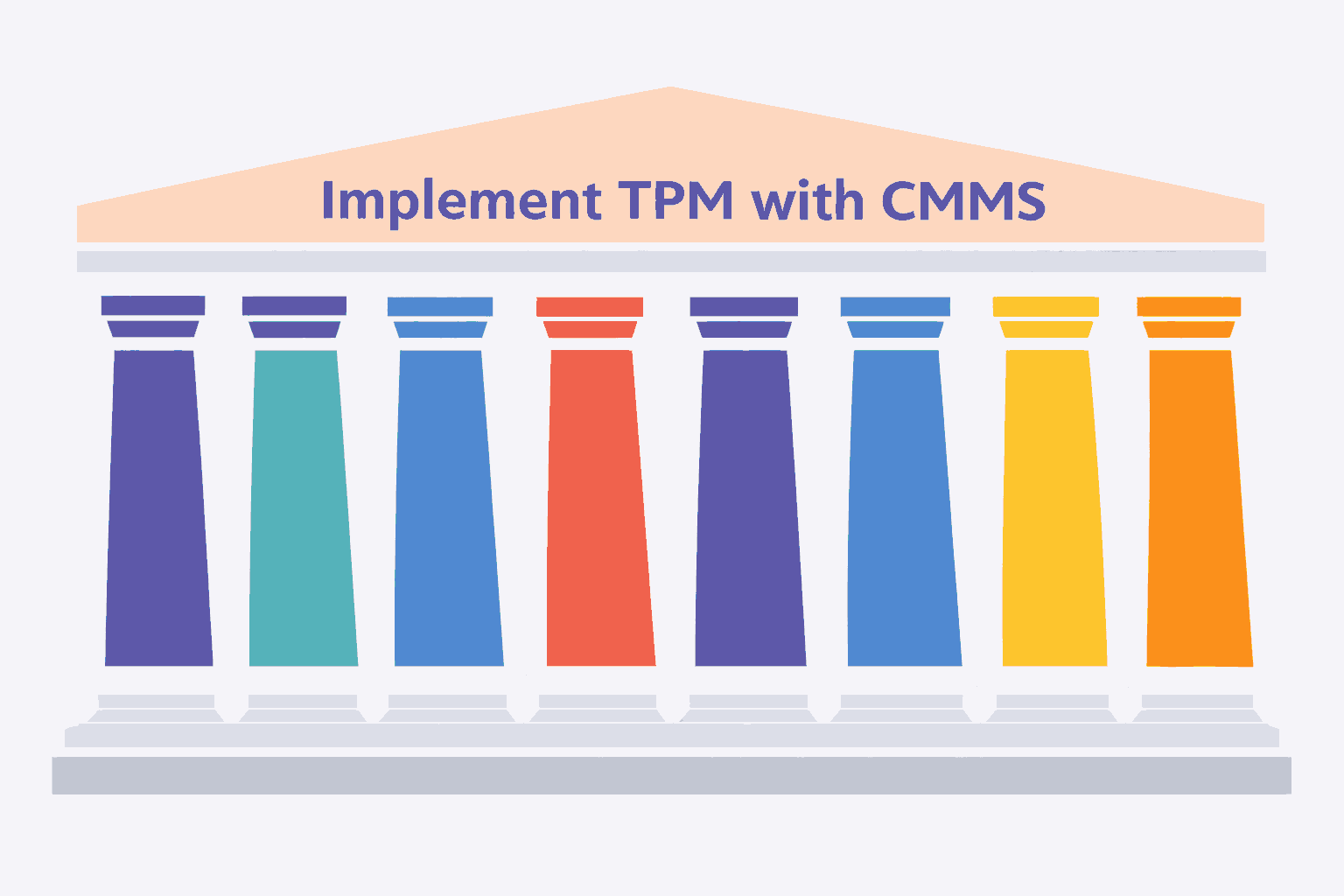
TPM fails when it becomes a slogan instead of a daily operating system.
Many plants launch Total Productive Maintenance with training, posters, checklists, and enthusiasm. For a few weeks, operators clean machines, supervisors review check sheets, and maintenance teams discuss reliability. Then daily pressure returns. Production targets increase. Checklists get filled late. Abnormalities are mentioned verbally. Follow-up work is not assigned. The same breakdowns return.
A CMMS does not create TPM culture by itself. But it can keep TPM visible, assignable, measurable, and easier to sustain.
What TPM needs to work
A practical TPM program needs more than awareness.
It needs:
- Operator checks that are simple to complete
- Clear abnormality reporting
- Preventive maintenance routines
- Maintenance ownership
- Follow-up work orders
- Spare part readiness
- Asset-wise history
- Breakdown analysis
- Management review metrics
- Evidence for audits and improvement meetings
When these items live on paper, Excel, WhatsApp, and whiteboards, TPM becomes difficult to control.
Where CMMS fits in TPM
A CMMS software supports TPM by connecting the daily routines to actual maintenance execution.
For example:
- Operator checks can become inspection tasks.
- Abnormalities can become maintenance requests.
- Accepted requests can become work orders.
- Planned jobs can be controlled through preventive maintenance schedules.
- Repeated issues can be reviewed through asset history.
- Spare usage can be recorded against work done.
- Photos, readings, remarks, and completion evidence can be captured in one place.
This gives TPM a system of record instead of relying only on memory and paper.
Start with the right TPM scope
Do not start TPM across the whole plant at once.
Pick a small but important area:
- One production line
- One critical machine group
- One utility area
- One packaging line
- One cold room or compressor system
Choose assets where breakdowns, minor stoppages, cleaning issues, quality defects, or operator observations are already common.
Then define what operators should check, what maintenance should own, and what must trigger follow-up.
Convert operator care into simple checks
Autonomous maintenance should not become a long form nobody wants to complete.
Good operator checks are practical:
- Is there leakage?
- Is there abnormal noise?
- Is there vibration?
- Is the guard in place?
- Is the temperature normal?
- Is the pressure within range?
- Is cleaning completed?
- Is lubrication condition acceptable?
These checks should be fast, visible, and easy to act on.
MaintBoard can support this through inspections and checklists, work requests, mobile updates, and follow-up work orders.
Make abnormalities actionable
The biggest TPM gap is not observation. Operators often know when something is wrong.
The gap is action.
A useful abnormality workflow should answer:
- Who reported it?
- Which asset is affected?
- What was observed?
- Is the issue safety, quality, downtime, or reliability related?
- Who reviewed it?
- Was it converted into a work order?
- Was the corrective action completed?
Without this flow, TPM observations disappear.
Link TPM with preventive maintenance
TPM should improve PM quality, not compete with it.
Operator checks should catch early signs. Maintenance PMs should handle tasks that need skill, tools, spares, isolation, calibration, or deeper inspection.
A preventive maintenance software setup helps by defining schedules, ownership, due dates, checklists, and completion evidence.
The important question is not whether a PM exists. The important question is whether the PM is meaningful, completed on time, and followed up properly.
Review the right TPM metrics
Do not overload TPM with too many KPIs.
Start with a few useful measures:
- Number of abnormalities reported
- Number of abnormalities converted into work orders
- Open follow-up actions
- Repeated breakdowns on TPM assets
- PM compliance on TPM assets
- Breakdown hours before and after TPM routines
- Spare delays affecting TPM actions
These metrics help maintenance and production discuss real reliability progress.
Bottom line
TPM works when operators, maintenance, production, and leadership share ownership of equipment condition.
A CMMS helps by turning TPM routines into visible work: checks, requests, PMs, work orders, asset history, spares, follow-up actions, and reports.
MaintBoard supports TPM execution by helping teams capture operator observations, manage preventive maintenance, assign work orders, track evidence, and review maintenance performance in one clear workflow.
Frequently asked questions
- Do I need OEE software if I have a CMMS?
Not always. Many teams start by tracking downtime and losses in CMMS, then add OEE software later if they need real-time production data.
- Who owns TPM—production or maintenance?
Both. Production owns daily care and abnormality detection. Maintenance owns planned maintenance, technical skills, and reliability improvement. Leadership owns the culture.
- How long does TPM implementation take?
A pilot can show results in 8–12 weeks, but full cultural TPM across a plant often takes 12–24 months depending on size and maturity.
- What should operators do inside the CMMS?
Operators should complete autonomous maintenance checklists, log abnormalities, and raise work requests with good details and photos.
- How do we stop “bad data” in work orders?
Use drop-down codes, train people on “what good looks like,” and require minimum close-out fields before a work order can be closed.
- What’s the best way to choose a TPM pilot machine?
Pick a machine that’s critical, frequently troublesome, and has a stable team working around it—so improvements stick and get noticed.